


What Are Sensory Toys? Benefits for Babies and Children in Pakistan
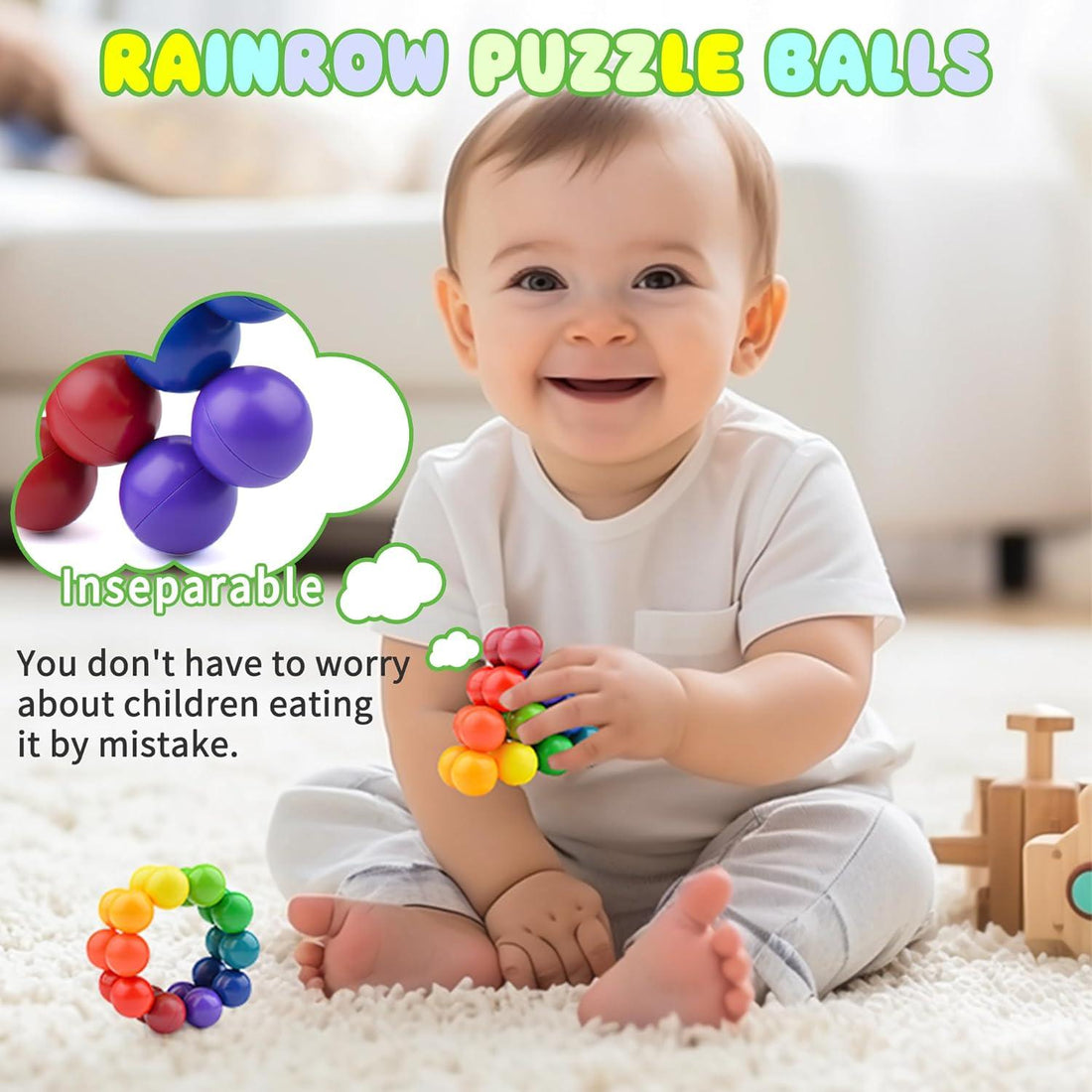
Parents searching for sensory toys Pakistan stores offer may wonder what makes these toys different from ordinary playthings. Sensory toys invite children to notice and explore one or more senses—such as sight, sound, touch, movement or body position. For babies, that might mean looking at a bold picture or touching a safe textured toy. For older children, it could be sorting, squeezing, building or playing a simple movement game.
Sensory play does not need expensive equipment. Everyday interaction, songs, safe household textures and supervised play can also offer rich experiences. A toy is a tool for exploration, not a guarantee of a particular developmental outcome.
What is sensory play?
Sensory play is play that encourages a child to explore how things look, sound, feel or move. Babies learn through looking, listening, reaching and touching while adults respond to their cues. Toddlers may enjoy sorting colours, matching pictures or handling different shapes. Older children may prefer building activities, tactile materials or movement-based games.
The goal is not to overwhelm a child with as many sounds, lights and textures as possible. Keep the activity comfortable and let the child decide whether to continue. Some children enjoy busy, colourful play; others prefer quiet, predictable experiences.
Possible benefits of sensory play
- Exploration: children can discover how objects feel, move, fit together or make sounds.
- Attention and shared interaction: a parent and child can look at the same picture, name an object and take turns.
- Hand use and coordination: age-appropriate grasping, stacking and sorting activities give children opportunities to practise movements.
- Language opportunities: adults can describe colours, textures, actions and everyday objects while playing.
- Enjoyment and choice: children can explore at their own pace and learn which activities feel comfortable to them.
These are opportunities, not promises. A sensory toy does not by itself ensure faster speech, better attention or a particular milestone. Children develop in different ways, and concerns about development should be discussed with a qualified health professional.
Choosing sensory toys by age
Babies aged 0–2 years
For babies, simple visual cards, soft rattles and easy-to-hold toys may offer gentle opportunities to look, listen and reach. Choose products specifically designed for the baby's age, inspect them regularly and avoid small detachable pieces, loose cords and damaged parts. Always supervise awake play. Keep toys and other objects out of the baby's sleep space.
Parents can explore the 0–2 Years collection and High Contrast Sensory Flash Cards. Use cards for short, relaxed shared-looking moments, and pause when your baby turns away or seems tired.
Toddlers and preschoolers aged 2–5 years
Children in this stage may enjoy picture matching, simple puzzles, stacking, pretend play and supervised art activities. Offer a small selection rather than presenting everything at once. Talk about what the child is doing without turning play into a test: “You found the red one” or “That piece feels bumpy.” Visit the Sensory Toys collection for ideas that may suit different interests and ages.
Children aged 5 and above
Older children may enjoy more complex building tasks, strategy games, crafts or activities with a movement element. Let their interests guide you. A child who prefers quiet concentration might like sorting and construction, while another may enjoy a turn-taking game or active play. Check age guidance and supervise any materials that require adult handling.
Sensory toys and autism: a respectful approach
Some autistic children and children with other developmental differences enjoy sensory activities, while others may find certain sounds, textures or lights uncomfortable. There is no single sensory toy that suits every child. Follow the child's preferences, offer choices and avoid forcing an activity. If sensory differences affect daily routines or cause distress, a paediatrician or qualified occupational therapist can help families explore individual needs.
Searches for autism sensory toys Pakistan can return products marketed broadly as sensory aids. A toy is not a treatment for autism and cannot replace individual professional guidance. Look for safe, flexible activities that respect the child's comfort and communication.
DIY sensory play or buying a toy?
Both can work. You might sing a song with actions, describe objects during a walk, or let a child safely explore large household items under close supervision. Purchased toys can be convenient when you want a specific picture set, activity or design. Choose based on your child's interests, your available space and the time you can spend together—not because a product promises a guaranteed result.
Before ordering, check materials, cleaning instructions, age recommendations and safety warnings. Browse Sensory Toys, Learning Toys and the 0–2 Years range for options to compare.
Frequently asked questions
What are sensory toys for babies?
They are age-appropriate toys that invite babies to look, listen, reach or safely touch. Simple cards and suitable rattles are common examples.
What are the benefits of sensory play for children?
Sensory play creates opportunities for exploration, interaction, hand use and language. Outcomes vary by child and activity.
Are sensory toys helpful for autistic children?
Some children enjoy particular sensory activities, but preferences vary widely. Follow the child's cues and seek professional advice when sensory needs affect daily life.
Where can I find sensory toys in Pakistan?
Browse the KiddieWink Sensory Toys collection and review each product's age and safety information.
Final thoughts
Meaningful sensory play is about giving children safe ways to explore and connecting with them at their pace. Keep activities flexible, observe what your child enjoys and ask a professional if you have developmental concerns. Explore more play ideas at KiddieWink.pk.
 Flash Cards
 Sensory Toys
 RC Toys
 Building Toys
 Learning Toys
 Soft Toys